
Everyday pet supplies do a few jobs that make life with a pet simpler: they keep food and water where it belongs, give you a safe way to walk and handle your pet, and give your pet a comfy spot to rest. Most of the value comes from picking the right kind of item for your pet's size, habits, and your daily routine.
Think of your supplies as tools. A bowl that stays put while your dog eats, a leash that clips on fast, and a bed that fits the spot where your cat naps all do real work. When they fit well, you notice less hassle. When they don't, you end up cleaning up spills, chasing a runaway pup, or finding fur on every couch cushion.
A few things to keep in mind as you shop:
- Size matters more than looks. Measure your pet from nose to tail base and from shoulder to floor before you buy a bed or collar, and compare those numbers to the size chart on the product page.
- Pick materials that are easy to wipe or wash. Anything that will get dirty, muddy, or drooly should come clean without a fuss.
- Think about how your pet behaves. A chewer needs sturdier gear than a pet who just lounges, and a pet who pulls on walks needs a harness or leash built for that.
- Check the maker's care instructions before you run something through the washer or dryer, since heat can shrink or damage some fabrics.
Keep grooming and cleaning products out of reach of curious pets and kids, and store them in their original containers so you always know what's inside. Read the product's own safety information and ask your vet if you have questions about a specific item or ingredient.
Food Bowls and Feeding Gear That Make Mealtime Easier
A food bowl sounds like the simplest item in the house, but the right one can cut down on the mess and the scooting across the kitchen floor. Start with weight and shape. A heavier bowl or one with a non-slip base is less likely to tip when a hungry dog gets going, and a wide, shallow dish can be easier for a flat-faced pet to eat from. Tall, narrow bowls can work well for some dogs with long ears, so watch how your pet actually eats before you decide.
Think about the spot too. Put the bowl on a washable mat or tray so that spilled water and kibble don't soak into the floor or the rug. A raised feeder stand is another option, but ask your vet whether it suits your pet before you buy one, since the right height depends on the animal.
Clean-up is where a lot of people get stuck. Look for bowls that go in the dishwasher or that you can scrub without digging into corners. Stainless steel and ceramic are common choices and are easy to wipe. Plastic can scratch over time, and scratches can hold bacteria, so replace worn plastic bowls when they get grooved. Wash bowls every day, and check the maker's care instructions for anything you plan to run through the dishwasher.
If you have more than one pet, a feeding station with separate dishes keeps the cat from wandering into the dog's bowl. Set it up in a quiet corner, away from the litter box. For water, a bowl that is a little wider and deeper than the food dish gives more room to drink without splashing. If you use a water additive, follow the label's directions for how much to add and how often to refresh the water. Never add anything to your pet's water unless you have checked it with your vet first.
Last, keep anything that holds food or water well away from heat sources and out of direct sun. Avoid putting bowls on top of a space heater or near a stove, and don't leave them near cords where a pet could tangle or pull. If a bowl has a rubber or silicone ring, check it now and then for cracks, since bits can break off and get eaten.
Leashes, Collars and Beds for Daily Comfort
Leashes, collars and beds are the gear you grab every single day, so they're worth a little extra thought. Start with the collar or harness, because that's what touches your pet most. A collar should sit snug enough that you can slide two fingers under it, not so tight that it pinches or so loose that it slips over the head. For dogs that pull, many owners find a well-fitted harness gives more control than a collar, since the pressure spreads across the chest instead of the neck. Check the fit again every few weeks, especially for puppies and growing kittens, because they change size faster than you'd expect.
Leashes come in a few common lengths and materials. A standard six-foot leash works well for most walks around town. A longer retractable leash gives more room to sniff, but it can be hard to control in busy places and the cord can wrap around legs or snap back if it's pulled too hard, so keep a firm hold on the handle and never wrap the cord around your hand. Nylon and cotton webbing are easy to wash and dry. Leather looks nice but can stiffen when it gets wet and needs regular conditioning to last. Look at the clip too. A sturdy snap hook is simple to use with cold or wet hands, and you can check that it closes fully before each walk.
Beds are about comfort, but they also have to survive your pet's habits. A bed with a removable, washable cover saves a lot of hassle, especially if your pet sheds or sleeps with muddy paws. Look for a filling that holds its shape after a few months of use, and pick a size that lets your pet stretch out or curl up, whichever they prefer. Put the bed in a draft-free spot away from heaters, radiators and sunny windows where it can get too warm. Most beds mean a few trips to the washer each month, so check the maker's care label before you toss the cover in on a hot cycle.
For a fleece option, the Calming Fleece Pet Blankets in the medium beige pack are a simple way to add a soft layer to a bed or crate. Lay one over the bed or crate floor, and swap it out when it gets matted or dirty so your pet always has a clean spot to settle in.
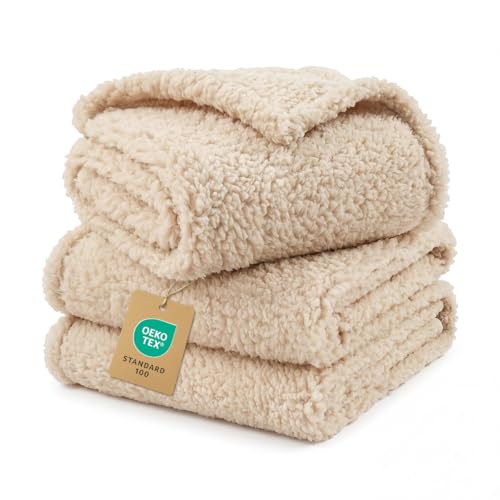
3 Calming Fleece Pet Blankets, Medium Beige Pack
A soft sherpa throw sized for medium pets, sold as a pack of three so you always have a clean one ready.
Product information
Our review: 3.8 out of 5
Product links
Quick Tips for Stocking Your Pet Supply Shelf
Start with a simple list before you shop, and you'll avoid buying the same thing twice. Write down what your pet uses every day: a food bowl, a water bowl, a leash, a collar or harness, a bed, grooming tools, and a few wipes for muddy paws. Then check what you already own and what's worn out.
Stock the grooming shelf with the right tools for your pet's coat. A slicker brush works well on longer or curly coats, and a comb with fine and wide teeth helps you check for tangles near the ears and under the legs. If your dog sheds a lot, a deshedding brush can pull out loose undercoat. Brush in short sessions, maybe five minutes at a time, and stop if your pet gets tense.
Keep wipes and a towel by the back door. The Earth Rated XL Pet Wipes for Dogs and Cats, Unscented, are a handy pick for quick clean-ups after a walk. Use them on paws and faces, and keep a clean towel nearby for anything the wipes can't handle. Check the label for which pets it's meant for before you use it.

Earth Rated XL Pet Wipes for Dogs and Cats, Unscented
Big, thick wipes that cover more ground so you can clean up mud, muck and messy paws in fewer swipes.
Product information
Our review: 4.1 out of 5
Product links
Pick up a few toys that match your pet's play style. Gentle chewers do well with soft plush toys, while a dog that tears things apart needs something tougher. Rotate toys every week or so so they stay interesting. Throw out any toy with loose stuffing, torn seams, or small parts that can break off.
Store everything in a cabinet or bin at a height your pet can't reach, and keep grooming products, medicines, and cleaners on a higher shelf away from curious paws and little hands. Label anything you transfer into a new container, and keep the original label when you can. If you're unsure about a product, read its safety information and ask your vet before you use it.
Finally, buy in small batches. Pet food, litter, and wipes go stale or run out at odd times, so a short list taped inside the cabinet door helps you restock before you hit empty. Check expiry dates on food and treats when you put them away, and move older bags to the front so you use them first.

